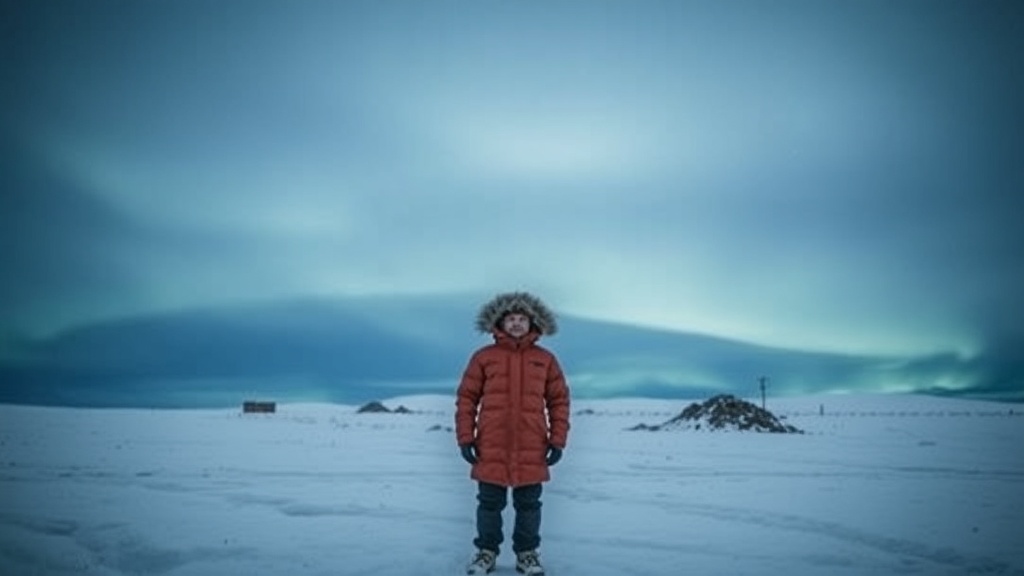
11 Realities of Living in Nunavut That Outsiders Rarely Understand

Weather Isn’t an Inconvenience — It’s the Schedule
Groceries Cost More Than You Expect—Then More Than That
Country Food Isn’t a Trend—It’s Essential
Isolation Changes How You Think
Community Matters More Than Privacy
Silence Is Normal—Not Something to Fill
Time Feels Different Here
Skills Matter More Than Convenience
Travel Is a Commitment, Not a Quick Trip
Culture Isn’t on Display—It’s Lived Daily
You Either Adapt—or You Leave
People love to talk about Nunavut like it’s a bucket-list destination. That’s fine—but it skips over what actually defines life here. This isn’t a place you “do.” It’s a place you adapt to.
If you spend any real time in Nunavut, the glossy expectations fall away fast. What’s left is something more grounded, more demanding, and honestly, more interesting.
Here are 11 realities that locals already know—and outsiders usually figure out the hard way.
1. Weather Isn’t an Inconvenience — It’s the Schedule
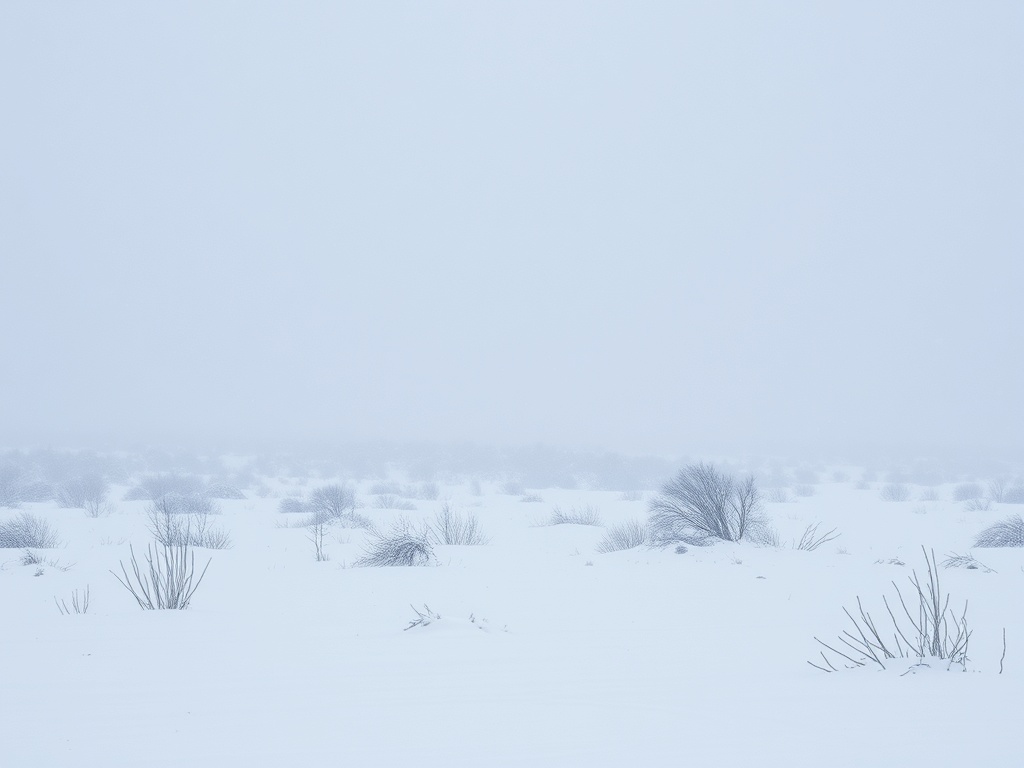
In most places, weather disrupts plans. In Nunavut, it is the plan.
Flights get cancelled. Supplies get delayed. Outdoor work stops completely. Nobody argues with it because there’s no point.
You learn quickly: flexibility isn’t optional—it’s survival.
2. Groceries Cost More Than You Expect—Then More Than That

The first grocery bill shocks you. The second one confirms it wasn’t a mistake.
Shipping everything by air or seasonal sealift drives costs up. Fresh produce can be inconsistent. You adjust your habits fast or your budget takes the hit.
People here don’t waste food. That’s not a lifestyle choice—it’s practical reality.
3. Country Food Isn’t a Trend—It’s Essential

Caribou, Arctic char, seal—this isn’t novelty cuisine.
It’s reliable, local, and deeply tied to culture. Store-bought food supplements it, not the other way around.
If you understand that shift, you start to understand Nunavut.
4. Isolation Changes How You Think
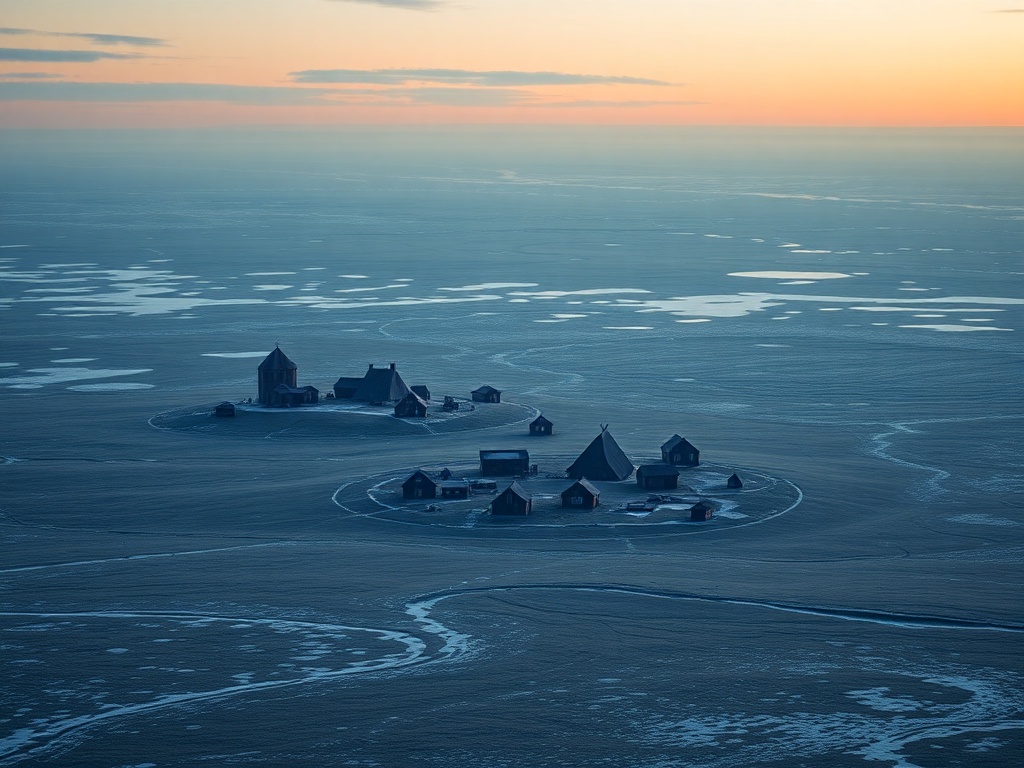
No roads connecting communities. Limited flights. Long stretches of distance between places.
Isolation isn’t just geographic—it’s mental. You become more self-reliant, more patient, and less dependent on constant access.
It’s not for everyone. That’s part of the point.
5. Community Matters More Than Privacy
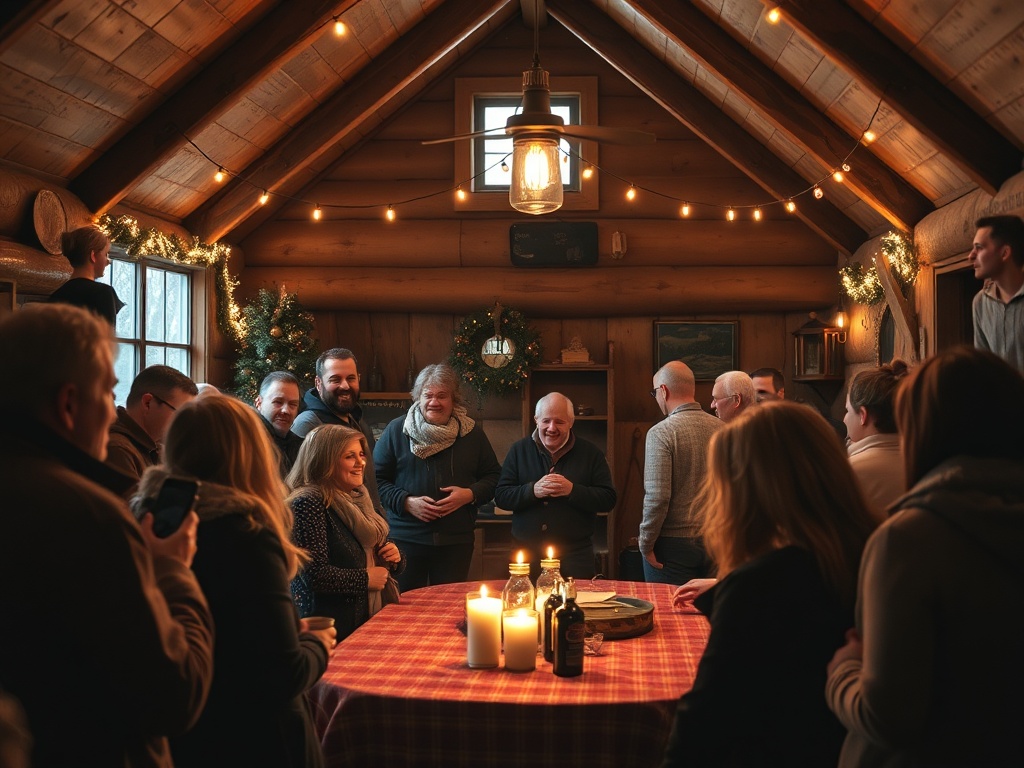
In small communities, everyone knows everyone—or at least knows of them.
That can feel intense at first. But it also means people show up when it matters.
Support here isn’t abstract. It’s immediate and visible.
6. Silence Is Normal—Not Something to Fill
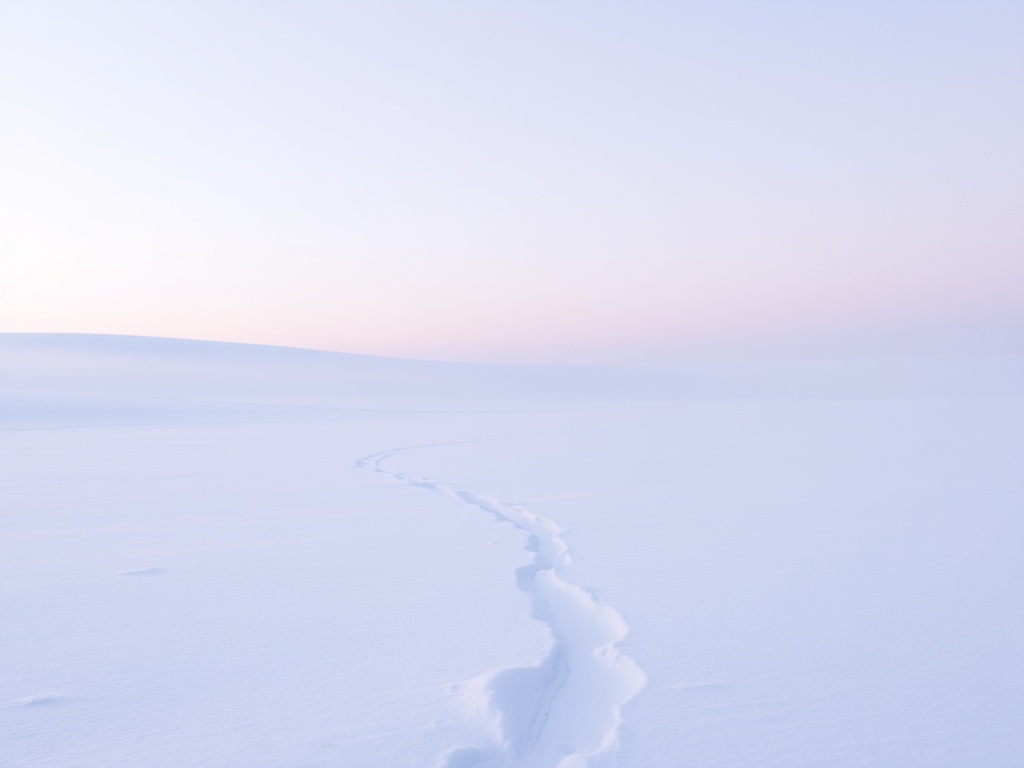
There are moments where nothing happens. No traffic, no background noise, no distractions.
You can either reach for your phone or sit with it.
Most people learn to sit with it eventually.
7. Time Feels Different Here

Days stretch in summer. Darkness lingers in winter. The usual sense of time doesn’t quite apply.
Deadlines still exist, but the rhythm underneath them shifts.
You stop rushing everything. Or you burn out trying.
8. Skills Matter More Than Convenience
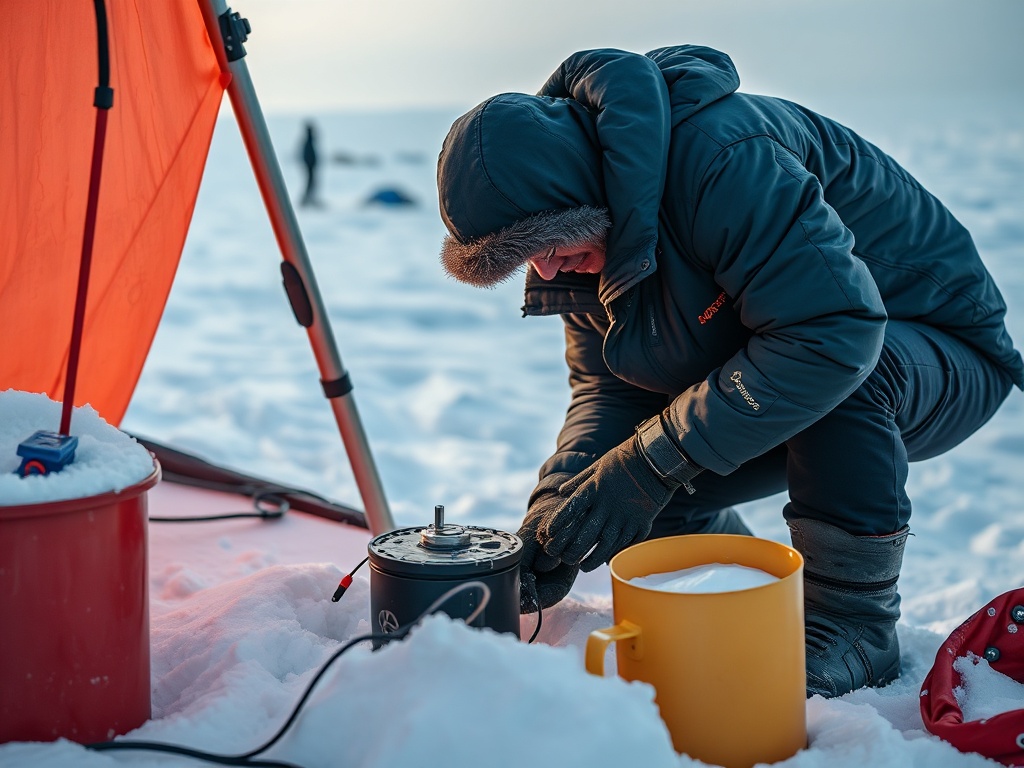
When something breaks, you don’t always replace it—you fix it.
Basic mechanical skills, outdoor awareness, and problem-solving carry real weight here.
Convenience is limited. Capability isn’t.
9. Travel Is a Commitment, Not a Quick Trip
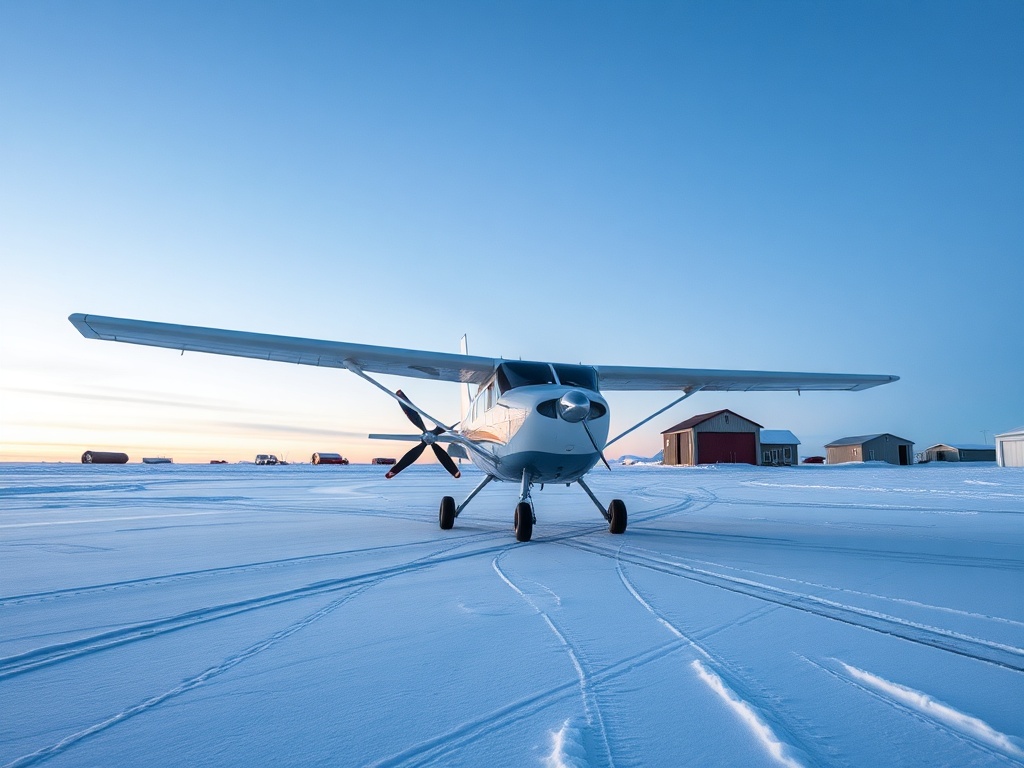
Leaving or arriving isn’t simple.
Flights are expensive, weather-dependent, and often delayed. Visiting another community can take serious planning.
People don’t move around casually. When they travel, it means something.
10. Culture Isn’t on Display—It’s Lived Daily
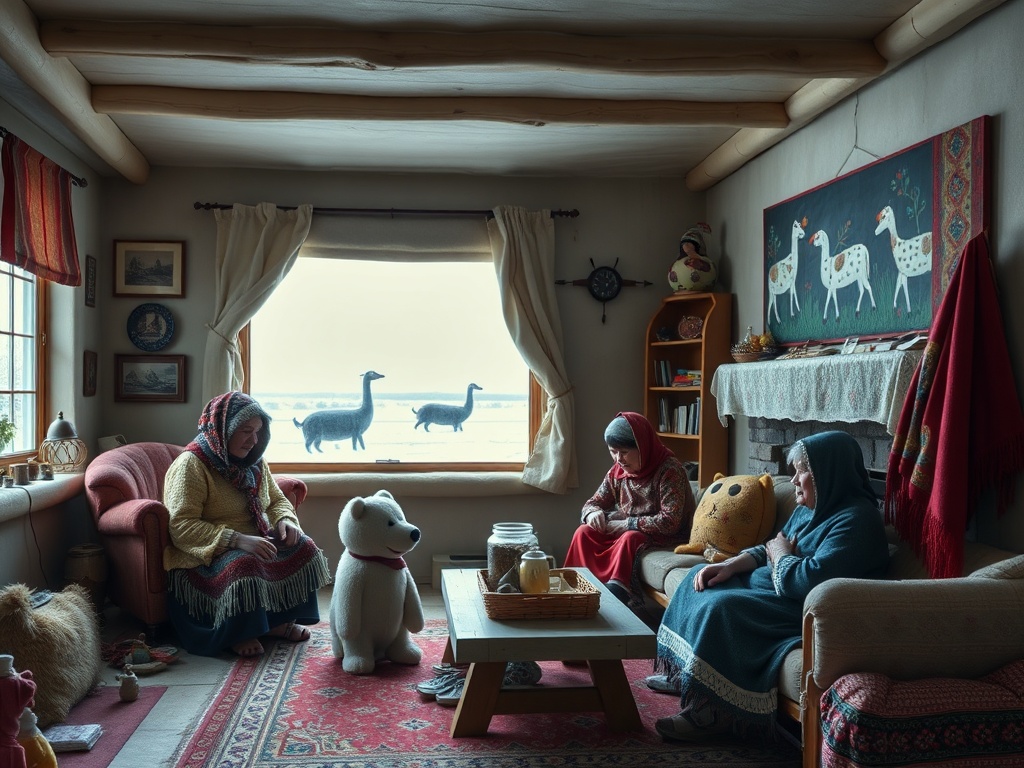
You won’t find culture packaged neatly for visitors.
It’s in language, routines, food, and relationships. It’s present whether you notice it or not.
The more time you spend here, the more you pick up on what was invisible at first.
11. You Either Adapt—or You Leave
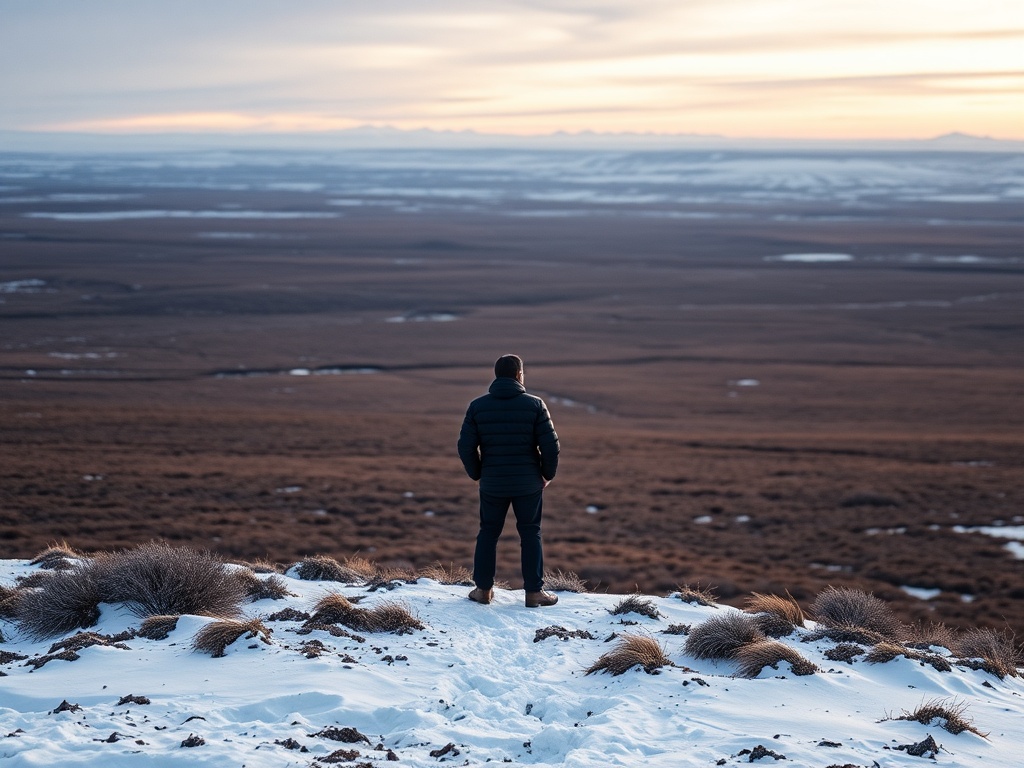
Nunavut doesn’t bend to expectations.
If you try to impose southern habits on it, you’ll get frustrated quickly. If you adjust, you’ll find a rhythm that works.
Most people who stay long-term don’t just tolerate it—they respect it.
Final thought: Nunavut isn’t about checking boxes. It’s about learning how little control you actually have—and being okay with that.