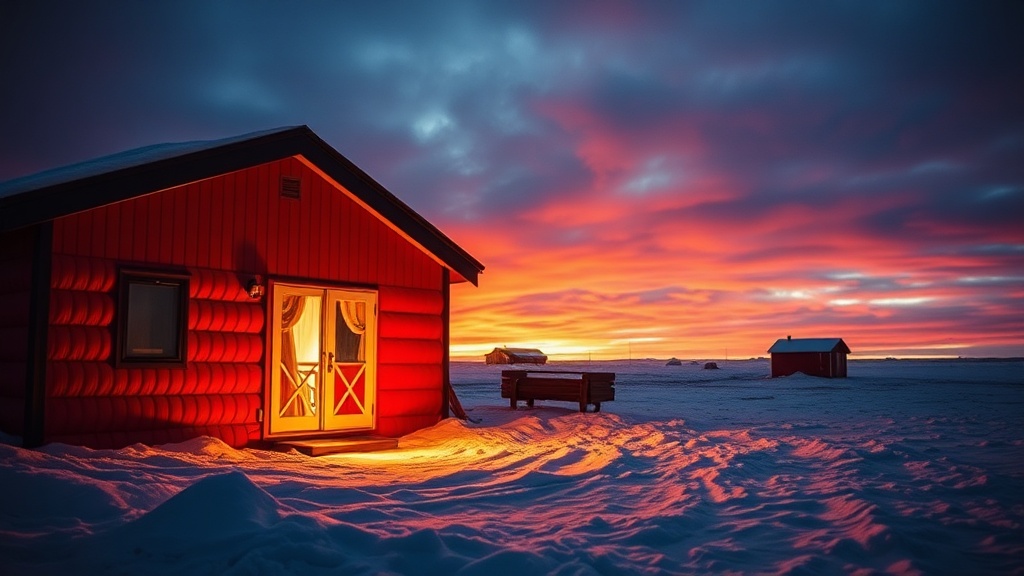
Getting Your Household Ready for the Changing Seasons in Nunavut

How do we prepare our homes for the shifting weather in Nunavut?
Are you wondering how to keep your home comfortable when the temperature drops rapidly across our territory? Living in Nunavut means we deal with extreme shifts that can affect everything from our heating systems to our insulation. It isn't just about being comfortable; it's about ensuring our homes remain safe and functional during the harshest months of the year. Whether you are living in a detached house in Iqaluit or an apartment closer to the downtown core, there are specific steps we can take to protect our living spaces.
Our community relies heavily on consistent heating, and even a small oversight can lead to a major headache when the wind starts howling off the Arctic Ocean. We need to be proactive about our maintenance routines. From checking window seals to ensuring our furnace vents aren't blocked by snow, these small actions make a big difference in our day-to-day lives here in Nunavut. This guide focuses on the practicalities of seasonal transitions that are unique to our northern environment.
Where can I find help with home maintenance in Nunavut?
Finding reliable help for home repairs can be a challenge in our territory, especially when the seasons change. If you notice a draft or a mechanical issue, it is often best to reach out to local specialists early. In the Iqaluit area, many residents rely on local connections or specialized services to keep their systems running. For example, if your heating system is acting up, you might want to check in with local service providers or look at the resources provided by the Government of Nunavut to see if there are any community-wide alerts regarding power or heating efficiency. It is always better to address a small leak or a draft in the autumn than to deal with a frozen pipe in the middle of January.
We also suggest keeping an eye on community boards and local social media groups. Often, neighbors in our Nunavut communities will share recommendations for local handymen or specialized technicians who understand the specific demands of our climate. Don't wait until the first big storm hits to realize your furnace filter is clogged or your heater needs a service. Being proactive is the name of the game for anyone living in the north.
How can we prevent frozen pipes during a Nunavut winter?
One of the most common anxieties we face is the fear of frozen pipes. In Nunavut, a burst pipe isn't just a mess—it can be a disaster for your entire home and your neighborhood. To prevent this, we have to be very intentional about how we manage our water lines. If you have an exterior faucet, make sure it is drained and shut off before the deep freeze sets in. Even if you use a cover, the Arctic wind can be brutal.
- Insulate exposed pipes: Using foam sleeves on any pipes that run through unheated areas or basements is a smart move.
- Keep heat consistent: Never turn your heat off completely, even if you are leaving for a short time. A steady, low temperature is better than nothing.
- Watch the exterior: Ensure that your downspouts and drainage areas are clear of ice buildup so melting snow doesn't pool near your foundation.
If you live in an area with older housing stock, you might need to be even more vigilant. We see this often in many of the older residential-neighborhoods in our towns. Taking a few hours in late September or October to walk around your property and identify potential weak points can save you a lot of stress later.
What should we check in our heating systems?
Our heating systems are the heart of our homes in Nunavut. Whether you use a furnace, a heat pump, or wood-burning stoves, regular maintenance is a must. If you use a wood stove, make sure your chimney is swept and that there are no blockages. A blocked chimney can be dangerous and can lead to carbon monoxide issues, which is a serious concern for our families.
For those of us using electric or gas heating, check your thermostat settings and ensure they are working correctly. It is also a good idea to check your smoke and carbon monoxide detectors. You can find more safety standards and information through the Safety Canada guidelines to ensure your home meets the necessary safety protocols. In our environment, a functioning detector is a lifeline.
Remember, the goal is to be prepared before the weather turns. We live in a territory where the weather dictates our pace of life, so our homes need to be ready to handle whatever the Arctic throws at us. By staying ahead of these maintenance tasks, we can ensure that our homes remain warm, safe, and cozy throughout the changing seasons in Nunavut.