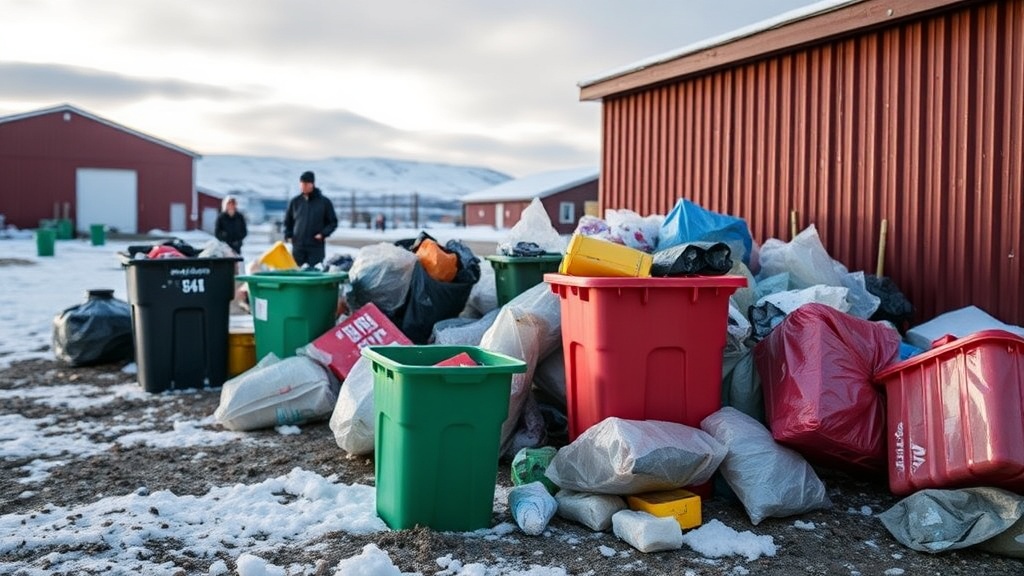
How to Manage Your Household Waste and Recycling in Nunavut

This guide covers the practical steps for managing household waste, recycling, and compostable materials within our Nunavut communities. You'll learn how to handle seasonal bulk items, understand local collection schedules, and follow the specific disposal rules that keep our Arctic environment clean.
Living in the North means we can't just rely on the same systems found in southern Canada. In Nunavut, our logistics are different; everything we throw away has to be managed with an eye on the long-term impact on our land. Whether you're living in Iqaluit or a smaller community, understanding how to dispose of your trash correctly is a part of being a good neighbor and protecting the local ecosystem.
How do I dispose of large items in Nunavut?
One of the biggest challenges we face in Nunavut is dealing with bulky items like old furniture, broken appliances, or large pieces of construction debris. Most of our municipal services have specific protocols for "bulk" items. For instance, in Iqaluit, the municipal landfill handles much of this, but you can't just drop off a broken refrigerator whenever you feel like it. You'll often need to check with the local municipality or the local landfill management to see if there are specific drop-off days or fees involved.
If you're living near the downtown area or closer to the outskirts of town, always remember that large items shouldn't be left on the curb without prior notice. This is especially true during the heavy snow months when the municipal trucks might struggle to navigate the streets. We've all seen the frustration when a bulky sofa blocks a sidewalk or a driveway—it's better to call ahead and confirm the process for your specific neighborhood.
Where can I recycle electronics and batteries?
Electronic waste is a growing concern for our communities. In Nunavut, we don't have the same high-frequency recycling centers found in larger cities, so we have to be much more intentional. If you have old computers, cell phones, or even small kitchen appliances that no longer work, don't just toss them in the regular trash bin. These items often contain materials that shouldn't end up in our local landfills.
Many of our local hardware stores or community centers sometimes host specialized collection drives for electronics. It's a good idea to keep an eye on local community notice boards for these events. For information on broader Canadian recycling standards that influence our local policies, you can check the official Natural Resources Canada website. Being proactive about electronic waste helps ensure that heavy metals don't leach into the ground around our Nunavut homes.
Battery disposal and safety
Batteries are particularly tricky. Lithium batteries, in particular, can be dangerous if they are crushed in a standard garbage truck or if they leak in a landfill. In our cold climate, battery life is already a struggle, but disposal is an even bigger issue. Always check with your local community center or a local business like the ones found along 2nd Avenue in Iqaluit to see if they have a designated battery drop-off bin. Most of us know that keeping our local environment pristine is a shared responsibility.
What should I do with organic waste and compost?
Composting in the Arctic isn't quite as straightforward as it is in warmer climates. Since the ground is often frozen or under snow, traditional outdoor compost piles might not work the way you expect. However, managing food scraps is still vital for reducing the volume of our trash. In many parts of Nunavut, we rely on much more controlled systems to manage organic matter.
If you're looking for ways to reduce waste at the source, look into local food preservation methods. Reducing the amount of packaging we bring into our homes is one of the best ways to help our community. Most of the packaging that arrives in Nunavut via sea or air lift is actually quite heavy and bulky, so minimizing this at the start of the process saves our local systems a lot of work. You can learn more about sustainable living practices through the Environment and Climate Change Canada portal, which provides context on how waste management affects the northern ecosystem.
Practical tips for a cleaner community
- Separate your recyclables: Keep paper, plastic, and metal in separate bins to make it easier for local collectors.
- Label your bulk items: If you've cleared it with the local authorities, ensure your large items are clearly marked.
- Reduce single-use plastics: Use reusable bags and containers whenever you can to lower the amount of trash generated in our households.
- Watch the weather: During heavy snow periods in Nunavut, be extra careful about where you leave your bins so they don't become an obstacle.
Our ability to manage our waste effectively is a direct reflection of how we care for our home. By being mindful of how we handle everything from a small battery to a large piece of furniture, we contribute to a cleaner, more resilient Nunavut for everyone. It's about more than just a chore; it's about respecting the land we live on.