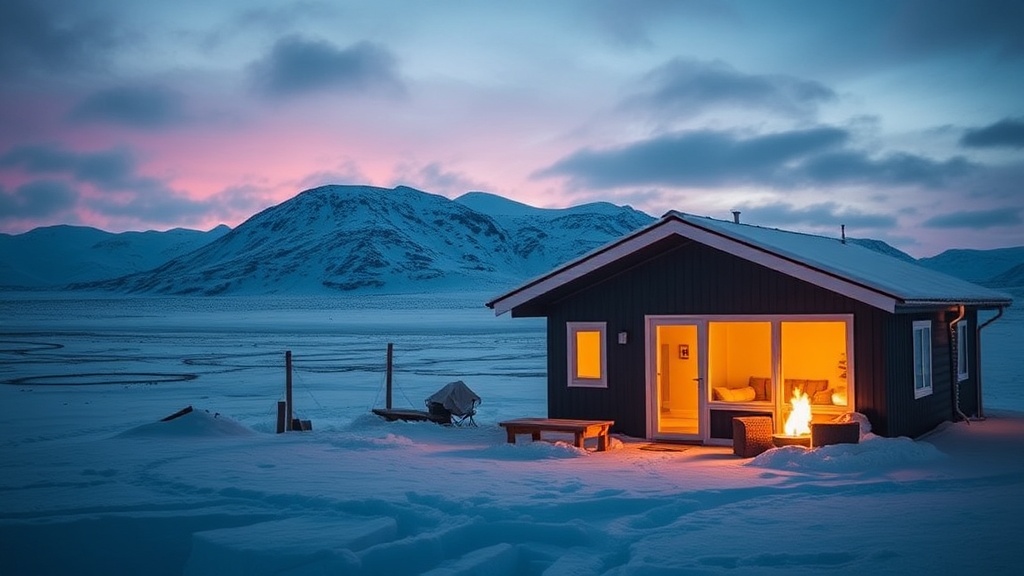
Keeping Your Nunavut Home Cozy While Cutting Energy Bills

How do you keep your home warm without breaking the bank in Nunavut's challenging climate?
Living in the North means understanding unique energy demands. Heating our homes during long, cold winters accounts for a significant portion of household expenses. The good news is, making some informed choices and minor adjustments can lead to noticeable savings on your utility bills. This guide offers practical, actionable quick tips to help you conserve energy, stay comfortable, and manage those costs more effectively.
How can minor adjustments impact my heating costs?
Your heating system works hard, but you can help it work smarter. One immediate impact comes from managing your thermostat. Lowering the temperature by a few degrees when you're away or asleep—even just 2-3 degrees Celsius—can reduce overall consumption. You don't need to 'crank' the heat up past your desired setting; it won't warm your home faster, and often results in wasted energy. Another key area is draft proofing. Gaps around windows and doors let in cold air, forcing your heater to run longer. Simple weather-stripping or even temporary window films can make a big difference. Don't forget about solar gain either—open curtains and blinds on sunny days to let natural warmth in, then close them at night to trap that heat indoors. Also, ensure furniture isn't blocking heating vents, impeding warm air circulation.
What about everyday appliance and electronic usage?
Beyond heating, our appliances and electronics consume a surprising amount of power. Many devices draw 'phantom power' even when turned off but still plugged in. Consider using smart power bars or simply unplugging chargers, TVs, and computers when not in use. For cooking, microwaves, toaster ovens, or slow cookers are far more energy-efficient for smaller meals than a conventional oven. When it comes to laundry, washing in cold water whenever possible and running full loads saves both electricity and water. And for vehicles, a common practice up here, remember your block heater only needs to be on for about two hours before you start your car—a timer can easily prevent unnecessary overnight usage.
Are there longer-term strategies for deep energy savings?
For those looking at more substantial savings, consider upgrading your lighting. Swapping incandescent bulbs for LED equivalents is a simple, effective change; LEDs use significantly less electricity and last much longer. For information on current programs and more conservation tips specific to the region, visit the