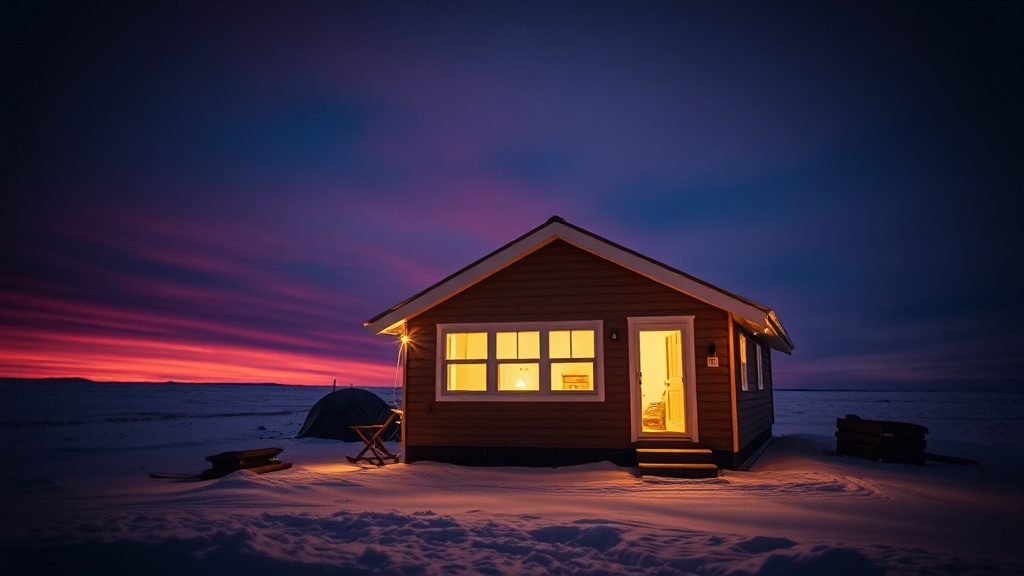
Preparing Your Home for the Longest Dark Months in Nunavut

Why seasonal light shifts matter for our community
In many parts of the world, seasonal changes are subtle, but in Nunavut, the shift in daylight can feel like a physical weight. During the darkest months, our community faces much more than just lower temperatures; we face a significant reduction in natural light that affects everything from mental well-being to how we manage our home environments. This guide covers how to prepare your living space and your daily routine to handle the long stretches of darkness that define life in our territory. Understanding these shifts isn't about being prepared for a storm—it's about managing the psychological and practical realities of living in the high Arctic.
Living in places like Iqaluit or Pangnirtuq means we don't just deal with the cold—we deal with the darkness. When the sun stays low or disappears for extended periods, the way we use light inside our homes becomes a vital part of our daily survival and comfort. We've seen how a well-lit, warm home can make a massive difference when the sun sets at 3:00 PM. This isn't just about aesthetics; it's about creating a sanctuary against the Arctic winter.
How can I improve indoor lighting for the winter?
One of the first things we notice when the dark months hit Nunavut is how dim everything feels. Traditional overhead lighting often isn't enough to combat the seasonal blues. To make your home feel more inviting, consider layering your light sources. Instead of relying on a single bright bulb in the center of the room, try using several smaller lamps. This creates a warmer, more even glow that mimics natural light more effectively.
If you are looking for a way to boost your mood, look into light therapy options. Many of us in the north use SAD (Seasonal Affective Disorder) lamps to get a dose of bright light during the morning hours. These aren't just gadgets; they are tools that help regulate our internal clocks when the natural light is missing. You can find various lighting-related equipment at local shops in Iqaluit, or check out specialized wellness resources like the Health Canada pages for more information on seasonal wellness.
- Task Lighting: Use bright lamps for reading or cooking to prevent eye strain.
- Warm Tones: Opt for warm-toned bulbs rather than harsh white ones to keep the atmosphere cozy.
- Reflective Surfaces: Placing mirrors opposite windows (even when it's dark outside) can help bounce whatever light is available around the room.
Where can I find supplies for home maintenance in the North?
Maintaining a home in Nunavut requires a different set of rules than in the south. Heat retention is the name of the game. As the temperatures drop, you'll want to ensure your window seals are tight and your insulation is working hard. If you notice drafts around your windows, it's time to look into weather stripping or heavy thermal curtains. These aren't just for looks—they are essential for keeping the heat inside your home and reducing the strain on your heating system.
For those living in the more residential areas of Iqaluit or near the local community centers, keeping your heating systems-like furnaces or heat pumps-in good working order is a top priority. Regular maintenance prevents unexpected breakdowns during those brutal cold snaps. You can often find local hardware supplies or specialized winter tools through local businesses like the Co-op, which is a staple for many of us when we need reliable household goods that can actually stand up to the Arctic climate.
How do I keep my household running efficiently during the dark?
Efficiency in a Nunavut home is about more than just saving money; it's about reliability. When the sun goes down early, our reliance on electricity and heating increases. We recommend setting up a regular schedule for checking your home's temperature-regulating components. This might mean checking your thermostat settings or ensuring your generator—if your home relies on one—is fueled and ready for any power fluctuations.
A smart way to manage your energy is to focus on the rooms you use most. During the long winter evenings, it's perfectly fine to keep certain rooms slightly cooler to save energy, provided you have adequate layers of clothing and blankets. This is a common practice in our community to manage the high cost of heating in the North.
| Task | Frequency | Goal |
|---|---|---|
| Check Window Seals | Once a month | Prevent heat loss |
| Clean Heating Filters | Every 3 months | Maintain airflow |
| Test Emergency Lights | Once a season | Ensure safety during outages |
It's also a good idea to keep a stock of high-quality batteries and a reliable flashlight in every main room. In our part of the world, a power outage isn't just an inconvenience; it can be a serious situation if you aren't prepared. Being proactive about your home's readiness is part of what makes us a resilient community. We look out for one another, and that starts with being prepared in our own living rooms.
For more information on extreme weather preparedness and community safety, you can always refer to the Government of Nunavut official sites for local updates. Staying informed is our best defense against the unpredictable elements of the Arctic. Whether you are in a small hamlet or a larger town, the principles of home preparation remain the same: stay warm, stay bright, and stay prepared.