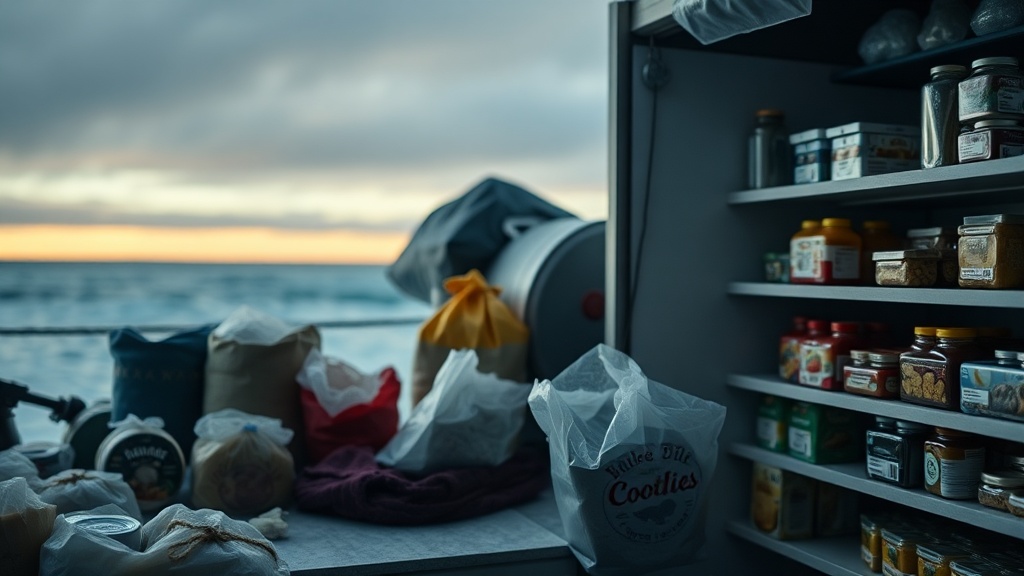
Securing Your Pantry: Practical Strategies for Nunavut's Unique Supply Realities

Securing Your Pantry: Practical Strategies for Nunavut's Unique Supply Realities
Living in Nunavut means embracing a unique lifestyle, and part of that involves understanding how our communities receive goods—especially food. This guide will outline actionable strategies for residents to ensure food security and manage household supplies effectively, considering the distinct logistical challenges we face up here. Understanding and applying these approaches isn't just about convenience; it's a key part of resilient living.
Our vast territory, often only accessible by air or sea lift, presents supply chains that differ dramatically from southern Canada. Weather delays, seasonal shipping, and the sheer cost of transport mean that grocery shelves can look different from week to week, and sometimes, popular items might be out of stock for longer than anticipated. Learning to plan ahead, make smart purchasing choices, and connect with local resources will help you maintain a well-stocked home, even when external factors create unexpected gaps.
What's the best way to plan for seasonal supply fluctuations?
Effective household management in Nunavut starts with acknowledging the rhythm of our supply chain. Most communities rely heavily on annual sea lift deliveries for bulk goods and heavier items during the ice-free summer months. Air cargo supplements this throughout the year, but with higher costs and often smaller capacities. Recognizing this pattern is your first step towards strategic planning.
Think about your annual needs. What non-perishable goods does your family consume regularly? Canned goods, dry pasta, rice, flour, sugar, cooking oil, and household cleaning supplies are prime candidates for bulk purchasing during the sea lift. This isn't about hoarding; it's about making sound economic decisions and ensuring you have a steady reserve. Many residents coordinate with neighbours or friends to place larger orders, splitting shipping costs and maximizing delivery efficiency. Check with local retailers or community cooperatives about pre-ordering opportunities, as this can often guarantee better pricing and availability. Being proactive months in advance can save you significant stress and money down the line.
Beyond the sea lift, consider the impact of weather on air cargo. Winter storms or prolonged periods of poor visibility can ground flights, leading to delays in fresh produce or specialty item deliveries. Building a buffer of versatile, shelf-stable ingredients means you won't be caught off guard if the next plane load of groceries is a few days late. Having a variety of frozen vegetables, legumes, and longer-lasting root vegetables (like potatoes and carrots) can bridge those unexpected gaps beautifully. This also extends to other household items—from diapers to dog food—anything that requires regular replenishment should be considered for a small backup supply.
For those new to the North, it might feel like a lot to track, but local store managers are often your best resource. Don't hesitate to ask about typical delivery schedules and how far in advance they recommend ordering specific items, especially around holidays or seasonal closures. They’re usually happy to share their insights, helping you get a better handle on the local logistics. Being plugged into community social media groups can also provide early warnings about potential delays or new stock arrivals, giving you a competitive edge—not just for food, but for everything from lumber to children's toys. For a general overview of living in Nunavut, including information on consumer affairs, the