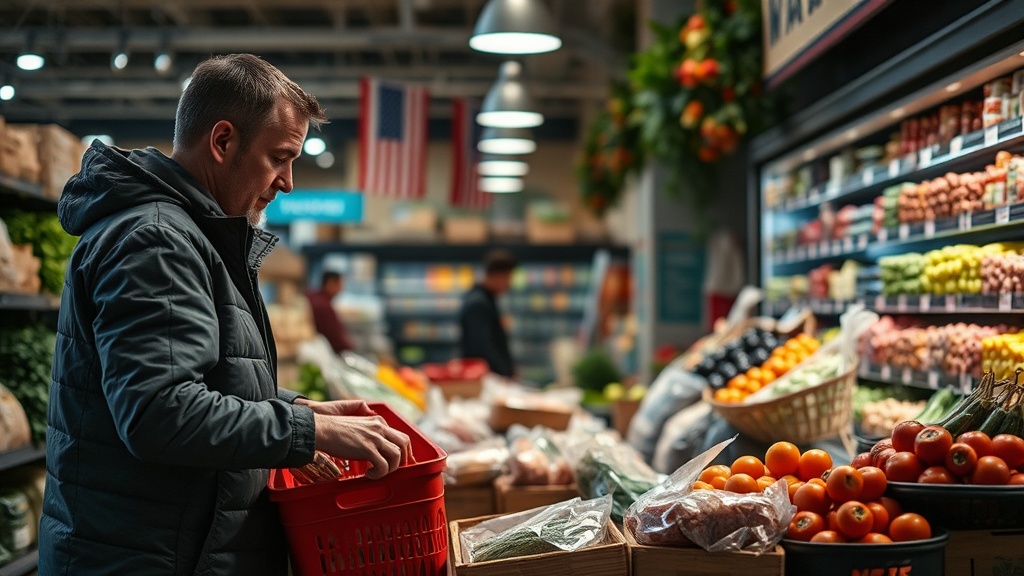
Smart Grocery Shopping in the North

Quick Tip
Always prioritize non-perishable staples and shop seasonally to manage high food costs effectively.
A newcomer walks into a grocery store in Iqaluit and stares at a $9.00 carton of milk with genuine shock. They aren't exaggerating—the reality of northern food costs hits hard when you're staring at a receipt. This post covers how to manage your grocery budget in the Arctic through strategic shopping and better planning.
How much does food cost in Nunavut?
Food prices in Nunavut are significantly higher than the Canadian average due to high shipping costs and limited competition. While a loaf of bread might cost $5.00 in Ottawa, you'll find it much higher here. The Statistics Canada data often reflects these high costs, and it's a reality every resident deals with monthly.
You aren't just paying for the calories; you're paying for the air freight and the logistics required to get a single crate of apples to the Kivalliq region. It's expensive. It's also a constant part of life up here.
What are the best ways to save money on groceries?
Buying in bulk and focusing on non-perishable staples is the most effective way to lower your monthly spending. If you can't buy a large bag of rice or a bulk pack of flour, you'll end up paying more for smaller, frequent trips.
Here are a few practical ways to keep your pantry stocked without breaking the bank:
- Shop the Sales: Keep an eye on flyers for stores like Northmart or local co-ops.
- Frozen over Fresh: Frozen vegetables often have better nutritional value than "fresh" produce that spent two weeks in transit.
- Stock the Staples: Items like dried lentils, rice, and pasta are your best friends when fresh produce prices spike.
- Watch the Expiry: Check the dates carefully, as shipping delays can sometimes affect shelf life.
One thing I've noticed is that people often forget to plan for seasonal shifts. When the weather turns, shipping can get delayed—which means a sudden shortage of certain items.
Can you find affordable local food?
Yes, sourcing local proteins and seasonal items can often be more cost-effective and much fresher than imported-only diets. While it varies by community, many people rely on a mix of store-bought goods and traditional foods.
If you're looking for comfort, check out my guide on finding warmth in every bite. It talks about the foods that actually satisfy you when the temperature drops.
| Item Type | Best Strategy | Reasoning |
|---|---|---|
| Produce | Frozen/Canned | Less waste and lower cost. |
| Grains | Bulk Buying | Reduces the frequency of expensive trips. |
| Proteins | Seasonal/Local | Often more reliable than long-distance shipping. |
Don't try to fight the system—work with it. If you're prepared, the high cost of living becomes much more manageable.