What Living in Nunavut Actually Feels Like (Beyond the Postcards)

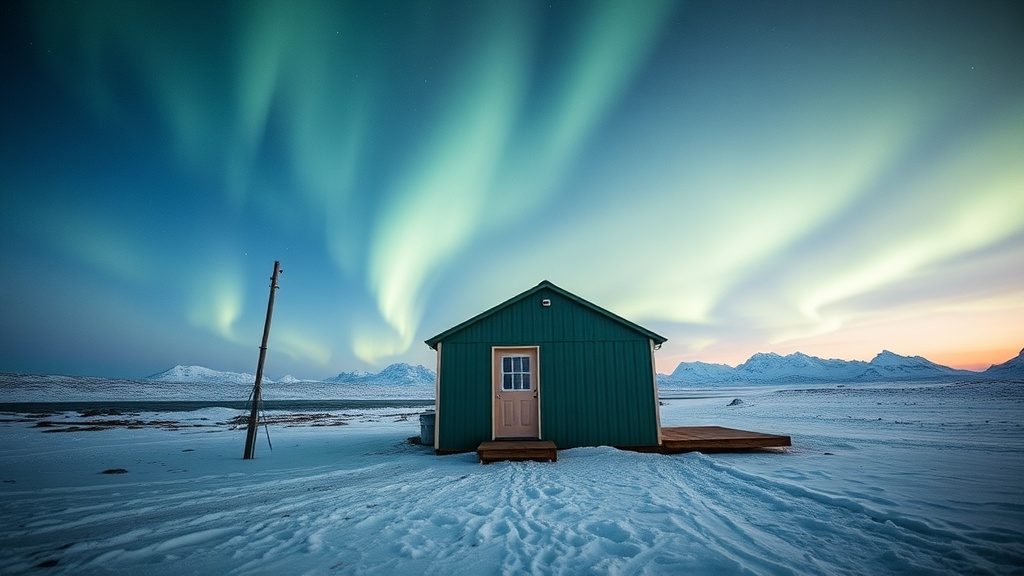
There’s a version of Nunavut most people think they understand: endless snow, northern lights, maybe a polar bear in the distance. That version exists—but it’s the least interesting part of daily life here.
Living in Nunavut isn’t a postcard. It’s logistics, relationships, weather that decides your plans, and a pace that doesn’t care about southern expectations. If you’re considering a move, a long visit, or just want the honest version—this is it.
The Scale Changes Everything
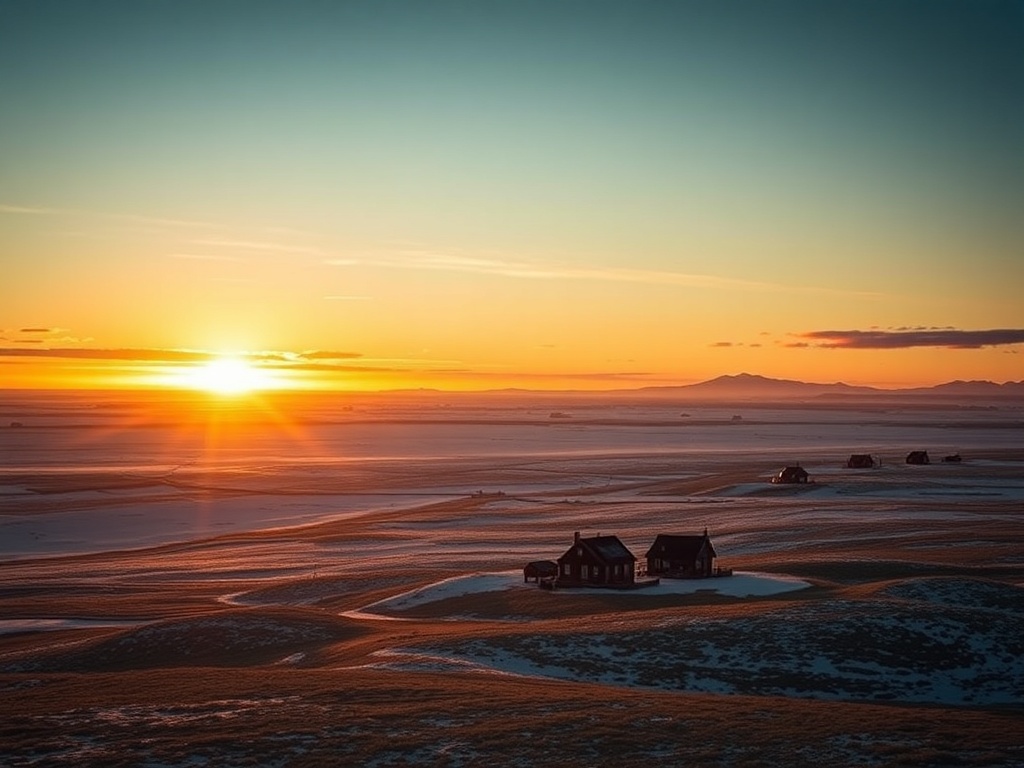
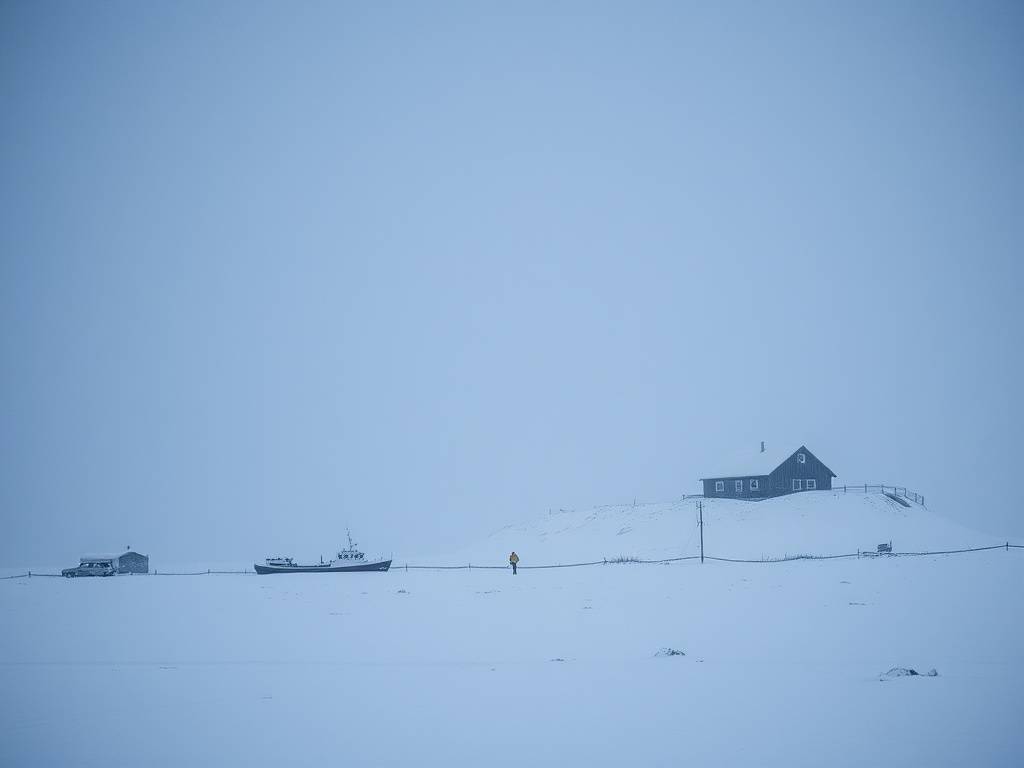
Maps don’t prepare you for how big Nunavut feels. Distances aren’t just measured in kilometres—they’re measured in access. Most communities aren’t connected by roads. You don’t “drive to the next town.” You fly, or you wait.
This changes how you think about everything: groceries, healthcare, even casual visits. In southern Canada, running out of something is a mild inconvenience. Here, it can mean waiting days or weeks.
That scale also brings something rare: silence. Real silence. No highways humming in the distance, no background noise bleeding into your day. When the wind stops, it’s just you and the land.
The Cost of Living Isn’t Just Expensive—It’s Strategic
You’ve heard it’s expensive. That’s true, but the more important detail is how people adapt.
Residents plan. Bulk buying isn’t optional—it’s survival. Freezers are essential. Ordering ahead becomes second nature. And when flights are delayed (which happens often), you learn flexibility fast.
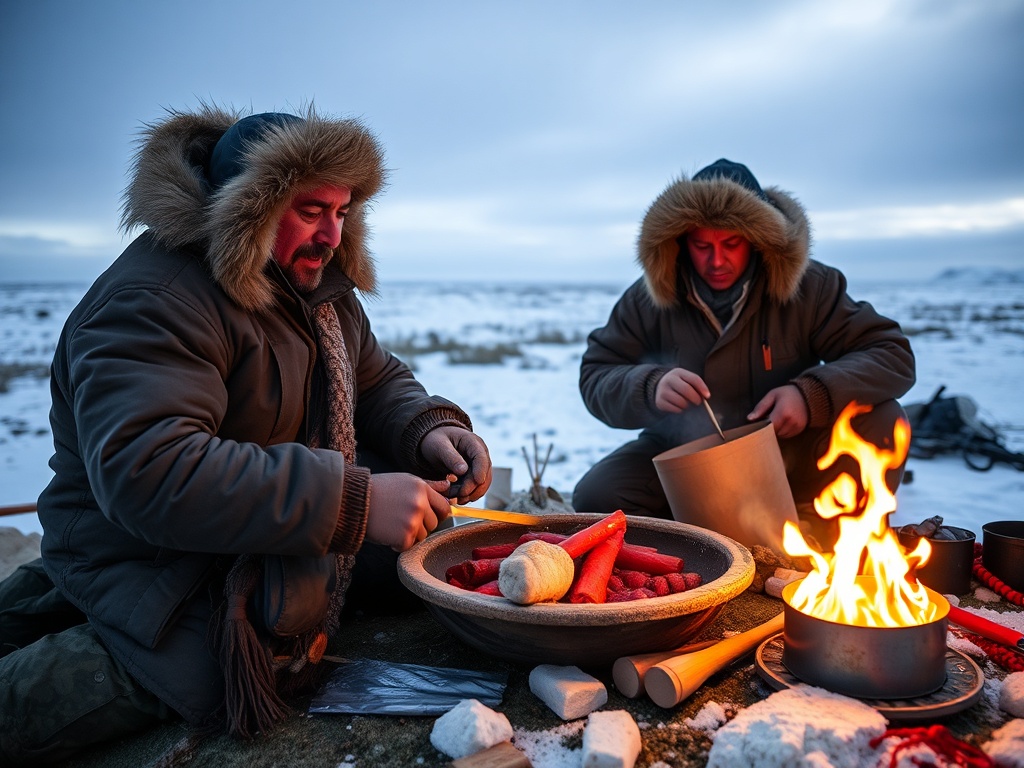
Country food—harvested locally—plays a bigger role than many outsiders expect. It’s not just cultural; it’s practical. Sharing networks matter. If someone hunts successfully, that food often circulates.
This creates a system that’s less about individual consumption and more about community resilience.
Weather Isn’t a Topic—It’s a Decision Maker
In most places, weather influences your day. In Nunavut, it controls it.
Flights get cancelled. Schools close. Work shifts. Plans evaporate. And nobody’s surprised.
Blizzards aren’t dramatic events here—they’re routine. The real adjustment is psychological: you stop expecting certainty. Instead, you build margin into everything.
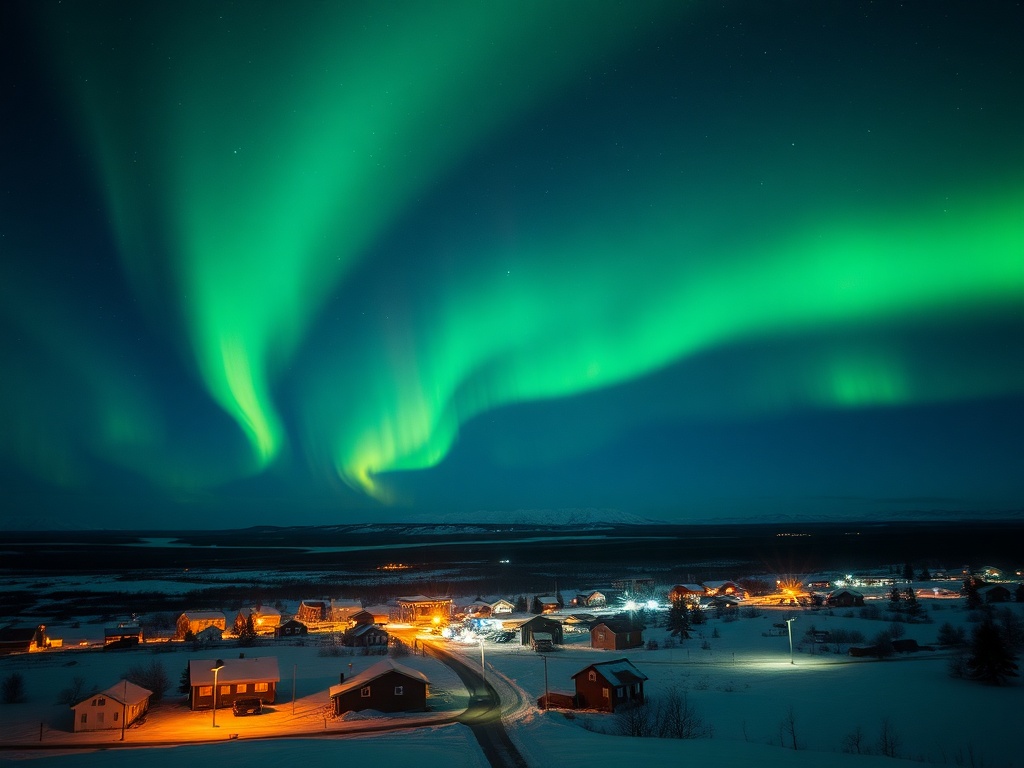
But the upside is just as real. Clear winter nights deliver skies so sharp and bright they don’t look real. The northern lights don’t feel like a special event—they feel like part of the rhythm.
Community Is Not Optional Here
In many southern cities, you can choose how involved you want to be. In Nunavut, community finds you.
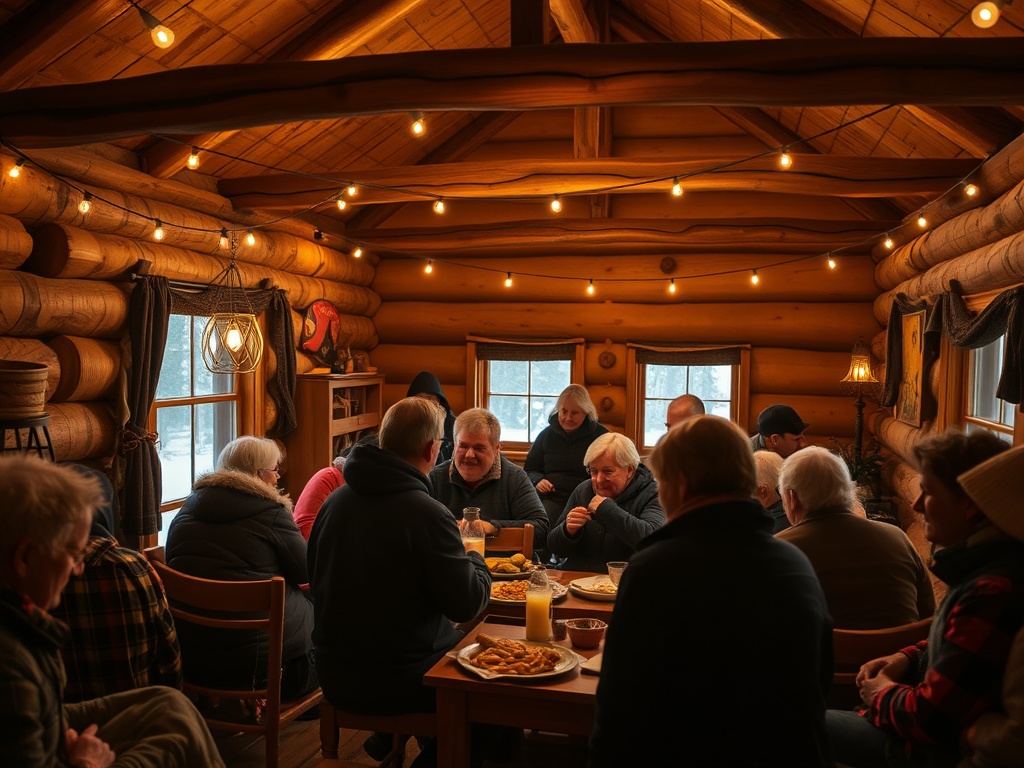
You’ll see the same people often. You’ll rely on them—whether for information, help, or simply conversation during long stretches of darkness. That creates a different social fabric.
There’s accountability in that closeness. People notice if you contribute—or if you don’t. Respect matters. Listening matters more.
If you come in assuming you already understand the place, you’ll struggle. If you come in willing to learn, people will meet you halfway.
Time Feels Different
This is one of the hardest adjustments for newcomers.
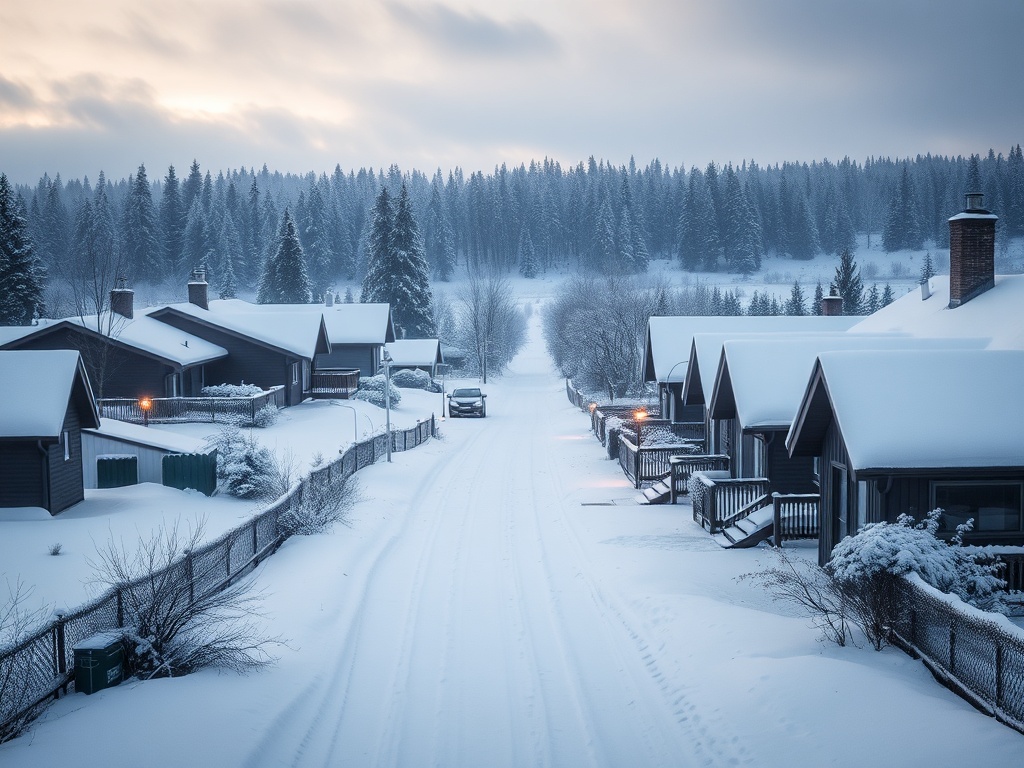
Things take longer. Deliveries, repairs, travel, even communication. At first, it feels frustrating. Then it starts to feel normal. Eventually, it feels necessary.
There’s less obsession with speed and more focus on getting things done properly—or when conditions allow.
It’s not inefficiency. It’s reality.
And once you adjust, going back south can feel strangely rushed.
The Beauty Is Real—but It’s Not the Point
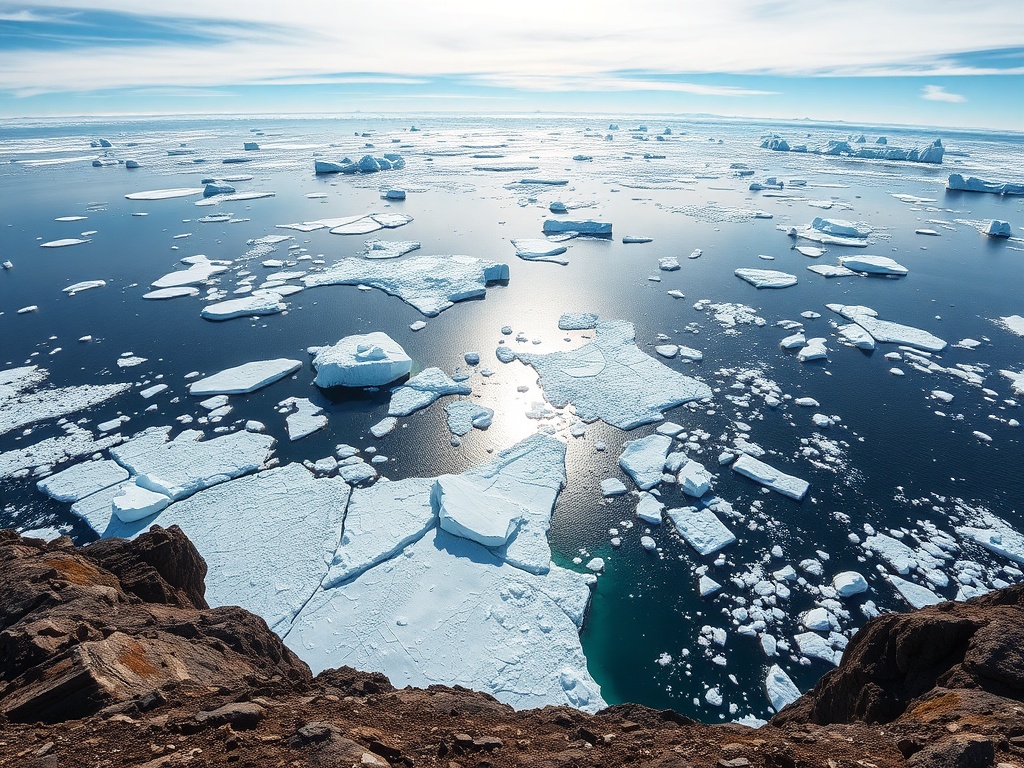
Yes, Nunavut is visually stunning. The light alone—especially in winter—can be surreal. The land feels untouched in a way that’s hard to describe until you experience it.
But the beauty isn’t what keeps people here.
What keeps people here is meaning. Work feels tangible. Relationships feel necessary. Your presence actually matters in a way that’s easy to lose in larger cities.
That doesn’t make it easy. It just makes it real.
The Challenges Are Not Small
Let’s be clear: this isn’t a romantic lifestyle.
Isolation is real. Mental health can be a challenge, especially during long winters. Access to services is limited. Costs are high. Infrastructure isn’t always reliable.
These aren’t minor inconveniences—they’re defining features of life here.
If you’re considering moving, you need to be honest about your tolerance for uncertainty, isolation, and discomfort.
But you also need to understand something equally important: the people who thrive here aren’t superhuman. They’re adaptable.
Who Actually Thrives in Nunavut?
There’s a pattern.
- People who don’t need constant entertainment
- People comfortable with solitude
- People who can plan ahead
- People who respect local culture and knowledge
- People who adapt quickly when things go wrong
If you need predictability, convenience, and constant stimulation, Nunavut will wear you down. If you’re okay trading those for depth, space, and perspective, it can be one of the most rewarding places in Canada.
The Honest Bottom Line
Nunavut isn’t for everyone—and it shouldn’t be.
It’s demanding. It asks more from you than most places. But in return, it gives you something increasingly rare: a life where your choices matter, your presence is felt, and the environment keeps you grounded whether you like it or not.
If you’re curious, visit first. Stay longer than a few days. Talk to people who actually live here.
The postcard version will still be there. But the real Nunavut—the one you either learn to respect or decide isn’t for you—that’s the one worth understanding.
And once you do, it changes how you see the rest of the country.