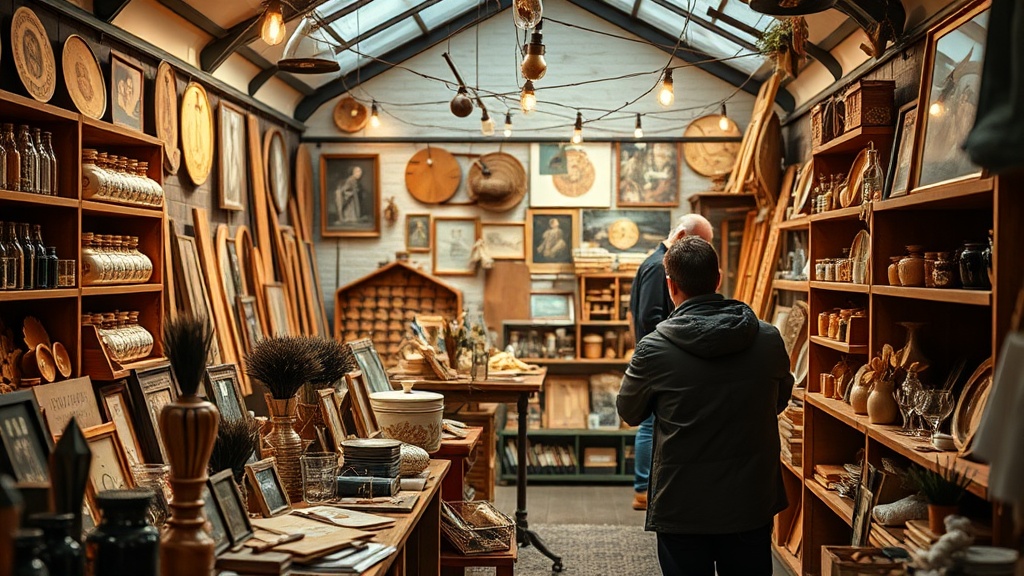
Exploring the Best Spots for Local Craft and Art in the North

Most people think Northern art is just small, cheap trinkets sold in airport gift shops. They're wrong. Real Inuit art is a high-level discipline involving intricate carving, sophisticated printmaking, and complex beadwork that represents deep cultural history. This guide tracks down where you can actually find authentic, high-quality pieces in Nunavut, from stone carvings to contemporary textiles.
Where Can You Find Authentic Inuit Art in Nunavut?
You'll find the best authentic art at community cooperatives, local galleries, and specialized art centers in towns like Iqaluit, Rankin Inlet, and Arviat. These cooperatives are the backbone of the local economy and ensure that artists are paid fairly for their work. Unlike a generic souvenir shop, a co-op is run by the community itself.
If you're in Iqaluit, the Igloo Productions or local community hubs are your best bet. For stone carvings, you'll want to look for pieces made from soapstone or serpentinite. These aren't just decorative; they're often heavy, dense, and require immense skill to shape. It's a physical, taxing process.
The Igloolik area is particularly famous for its soapstone work. If you want to see something truly special, look for pieces that show a sense of movement—the way a caribou or a seal is depicted tells you a lot about the artist's connection to the land. It's not just a static object; it's a story in stone.
Keep an eye out for printmaking too. The tradition of printmaking in the North is world-class. Artists use stonecut or stencil techniques to create incredibly detailed images. These aren't mass-produced prints. They're limited editions, often signed by the artist, and they hold their value much better than generic decor.
One thing to watch for: always ask if the piece is signed. A legitimate piece of Inuit art should be accompanied by documentation or at least a clear signature. This isn't just about being fancy—it's about verifying the provenance of the work. It matters.
| Art Form | Common Materials | What to Look For |
|---|---|---|
| Stone Carving | Serpentinite, Soapstone, Marble | Smooth finish, weight, and artist signature |
| Printmaking | Stonecut, Stencil, Ink on Paper | High detail, limited edition numbering |
| Textiles/Clothing | Caribou skin, Sinew, Glass beads | Intricate beadwork, authentic sewing techniques |
| Jewelry | Silver, Gold, Labradorite | Hand-crafted elements, local-inspired designs |
If you're interested in the cultural significance of these materials, the Wikipedia page on Inuit art provides a solid foundation for understanding the history behind the medium. It helps to know what you're buying before you spend the money.
How Much Does Local Art Cost in the North?
Prices vary wildly based on the size, material, and the reputation of the artist, but expect to pay anywhere from $50 for a small beadwork piece to several thousand dollars for a large, master-grade stone carving.
Small, handheld soapstone carvings might run you $75 to $150. These are great if you're traveling and don't want to carry a heavy crate on a plane. However, don't expect a bargain just because it's "small." The labor involved in even a tiny carving is immense. A single mistake with a chisel and the whole piece is ruined.
Large-scale sculptures are a different story. A heavy, polished serpentinite piece that stands a foot tall can easily go for $500 to $1,500. If you're looking at high-end printmaking, a limited edition print might cost you $200 to $600. These are investments. They aren't just "souvenirs"—they are fine art.
The cost of living in the North is high, and that extends to the artists too. Shipping a heavy stone carving from Iqaluit to Toronto or Vancouver is expensive. Often, the price you see in a shop includes the high cost of getting those materials and finished products through the supply chain. It's a logistical nightmare, honestly.
That said, buying directly from a co-op ensures more of that money stays in the community. It's a better way to support the people who actually make the art. It's also a great way to understand the realities of living in Nunavut and the economic structures that support local creators.
A Quick Breakdown of Material Values:
- Low Tier ($20 - $100): Small beadwork, small soapstone pieces, or simple prints.
- Mid Tier ($150 - $500): Medium-sized carvings, high-quality prints, and silver jewelry.
- High Tier ($600+): Large-scale sculptures, master-level stone carvings, and intricate skin clothing.
What Materials Are Used in Northern Art?
The most common materials used are stone (soapstone, serpentinite, marble), animal skins (caribou, seal), and natural pigments. The choice of material is never accidental; it's deeply tied to the environment and the availability of resources.
Stone is the heavy hitter here. Serpentinite is particularly popular because it can be polished to a high, almost glass-like shine. It looks incredible under a desk lamp. Soapstone is softer and easier to carve, making it a staple for many artists. It's a very tactile material—you can almost feel the history in it.
Then there's the textiles and skin work. This isn't just "crafts." Authentic caribou skin clothing (often called atigi) is a feat of engineering. It's warm, durable, and incredibly functional for the Arctic climate. If you see high-quality beadwork on a parka, take notice. The precision required to stitch tiny glass beads onto tough skin is staggering.
I've seen people try to buy "Arctic-style" art that's actually made in factories overseas. Avoid that. If it doesn't have a connection to the local landscape or the people, it isn't the real deal. Real Northern art feels heavy, textured, and—most importantly—intentional. It’s not just something made to fill a shelf.
For those interested in the technical aspects of traditional sewing and skin preparation, looking into traditional Arctic survival and clothing resources can give you a better appreciation for the skill involved. It’s a hard way to make a living, but the results are breathtaking.
When you're out and about, don't be afraid to ask questions. Ask the person behind the counter about the artist. Where are they from? What kind of stone is this? Most people in the cooperatives are incredibly proud of their community and are happy to share the story behind a piece. It makes the purchase much more meaningful.
One thing to keep in mind: if you buy a piece of art, think about how you're going to get it home. If you're buying a heavy stone carving, you'll likely need to arrange for shipping via a carrier like FedEx or a local freight service. You can't just tuck a 10-pound piece of serpentinite into your carry-on. Plan ahead—it'll save you a lot of stress at the airport.